If you want a Denver-metro city that gives you everyday convenience and easy access to open space, Lakewood deserves a closer look. It can feel lively, practical, and outdoorsy all at once, which is not always easy to find in one place. From the shops and events at Belmar to the trails that stretch toward the foothills, Lakewood offers a lifestyle that changes depending on where you land. Let’s dive in.
Why Lakewood stands out
Lakewood is a large, established west-metro city with an estimated 156,927 residents spread across 43.47 square miles as of July 1, 2025. Population growth since 2020 was just 0.6%, which points to a stable, mature community rather than a fast-expanding edge suburb. For many buyers, that stability can be part of the appeal.
The city also supports a broad day-to-day lifestyle. Census data shows a median household income of $89,792, an owner-occupied housing rate of 58.1%, a median gross rent of $1,806, and a mean commute time of 25.5 minutes. In simple terms, Lakewood is not one-note. It includes owners, renters, commuters, longtime residents, and people looking for a more flexible Denver-area lifestyle.
Another important piece is scale. Lakewood reported $3.79 billion in retail sales in 2022, which reflects a strong shopping and services base. That helps explain why many people see Lakewood as a place where you can handle work, errands, recreation, and social plans without constantly crossing the metro.
Belmar gives Lakewood a downtown feel
Belmar is one of the clearest reasons Lakewood feels different from a typical suburb. Located at Alameda Avenue and Wadsworth Boulevard, it was built in 2004 on the former Villa Italia site and now spans 22 city blocks and more than 1 million square feet. The city describes Belmar as Lakewood’s downtown.
That label matters because Belmar functions as more than a shopping center. It brings together shopping, dining, entertainment, office, and residential uses in one walkable area. The district includes more than 80 shops and restaurants, along with seasonal activity like summer events and winter ice skating.
For you as a buyer or seller, Belmar helps define the central part of Lakewood. It gives the city an everyday core where people gather for errands, meals, events, and plaza activity. That creates a different rhythm than areas built around only residential streets.
Central Lakewood offers practical convenience
Belmar is not the only hub in town. Lakewood City Commons adds another major convenience node on a 45-acre site near the civic center and library. That gives central Lakewood another anchor for everyday use beyond the Belmar district.
The city also notes that shopping along Colfax Avenue and Wadsworth Boulevard includes a mix of local businesses, national retailers, and dining options. This layered setup is useful if you value convenience but do not want all of your errands tied to one single destination. In Lakewood, daily life tends to spread across several active centers.
That pattern is part of the city’s appeal. Instead of feeling uniform, Lakewood often feels like a sequence of connected lifestyle zones. One area may feel more civic and central, while another leans more toward trails, foothills access, or transit convenience.
Foothills access shapes daily life
If outdoor access is high on your list, Lakewood has real substance behind that reputation. The city has 115 parks, 240 miles of trails, and more than 7,400 acres of open space. Those numbers are a big reason Lakewood attracts people who want recreation built into daily life.
Bear Creek Lake Park is one of the standout amenities. At 2,624 acres, it supports hiking, picnicking, camping, fishing, boating, windsurfing, mountain and road biking, a swim beach, and an archery range. That range of uses makes it more than a scenic backdrop. It is a true lifestyle asset.
William F. Hayden Park on Green Mountain adds a more foothills-oriented feel. The park includes more than 2,400 acres of open space, a challenging multi-use trail network, and a 6,800-foot summit with views east toward Denver and west toward the peaks. If you want quick access to elevation, trail time, and big views, this part of Lakewood stands out.
Bear Creek connects city and nature
One of the best examples of Lakewood’s blended lifestyle is Bear Creek Greenbelt Park. The city describes it as a 379-acre stream corridor with wetlands, fishing ponds, riparian forest, and a continuous trail connection from Wadsworth Boulevard west to Bear Creek Lake Park and the foothills beyond. That connection helps tie together central and western Lakewood in a very practical way.
For many residents, this means outdoor time can feel close and routine rather than reserved for weekends only. You may be able to fit in a walk, bike ride, or quiet hour outdoors without planning a full day around it. That kind of access can shape how a neighborhood feels over time.
The city also actively programs its park system with offerings like sunset hikes, full moon hikes, archery, birding, and wildlife education. That gives the outdoor side of Lakewood a community dimension, not just a map-based one.
Arts and events add year-round energy
Lakewood’s cultural side often surprises buyers who only know it for its location west of Denver. The city highlights major arts and culture facilities including Lakewood Cultural Center, Heritage Lakewood Belmar Park, and Washington Heights Arts Center. Together, they support classes, exhibits, tours, public art, and special events.
The Lakewood Cultural Center serves as the city’s arts hub, with a 320-seat theater, galleries, dance and fine-art studios, meeting and event space, plus classes and camps. Heritage Lakewood Belmar Park adds a different layer as a 20th-century history park, museum, and festival experience with about 40,000 artifacts. Washington Heights Arts Center, located in a renovated early-20th-century schoolhouse, offers classes in pottery, weaving, drawing, painting, jewelry, metals, mosaics, and more.
Lakewood also has recurring events that give the city a steady social rhythm. The city points to programs like the Sounds Exciting! Summer Concert Series, Big Belmar Bash, and Lakewood Lights. These events help explain why Lakewood can feel active and connected without needing the pace of central Denver.
Transit and movement across Lakewood
Mobility matters in a city this size, and transit is part of the picture. RTD’s W Line runs 12.1 miles from Union Station to Jefferson County Government Center-Golden through Denver, Lakewood, and Golden. Lakewood-serving stations include Lakewood-Wadsworth and Federal Center.
That rail access can be especially relevant if you want options for commuting or getting around the west metro without relying on one route every day. It also adds another layer to how different parts of Lakewood function. Homes near stations or major corridors may offer a different lifestyle than homes closer to parks or the foothills edge.
Colorado Mills on Lakewood’s western border adds another key destination near the foothills side of the city. Along with Belmar and Lakewood City Commons, it reinforces the idea that Lakewood is organized around several active nodes rather than one central strip.
Lakewood has a mixed housing landscape
One of the most important things to know before you start your search is that Lakewood does not feel the same everywhere. The city’s zoning framework includes one-acre, large-lot, small-lot, two-family, multifamily, mobile-home, and multiple mixed-use districts. That wide range helps explain why the housing experience can shift noticeably from one area to another.
The city’s 2040 future land-use guidance also anticipates a broad mix of residential forms, including single-dwelling units, patio homes, cottage clusters, tandem homes, duplexes, triplexes, quadplexes, townhomes, rowhomes, multifamily housing, and ADUs. While that is not a current inventory count, it supports the broader picture of Lakewood as a mixed housing market.
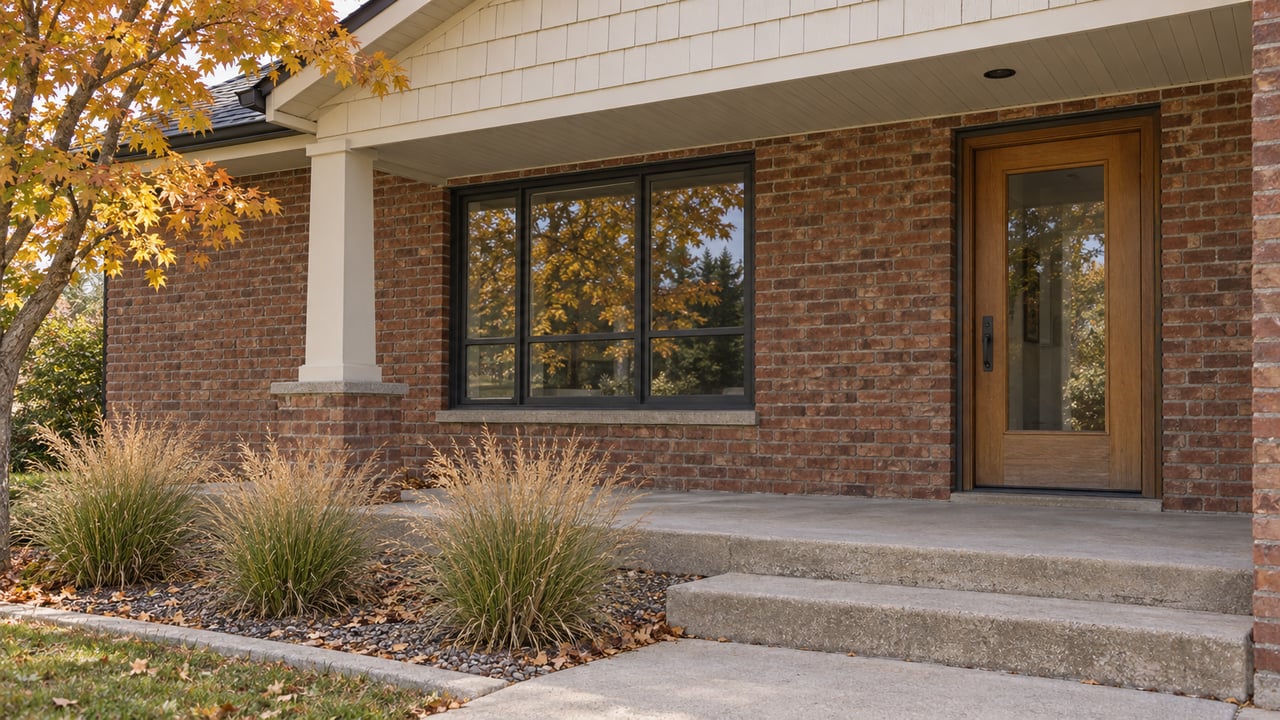
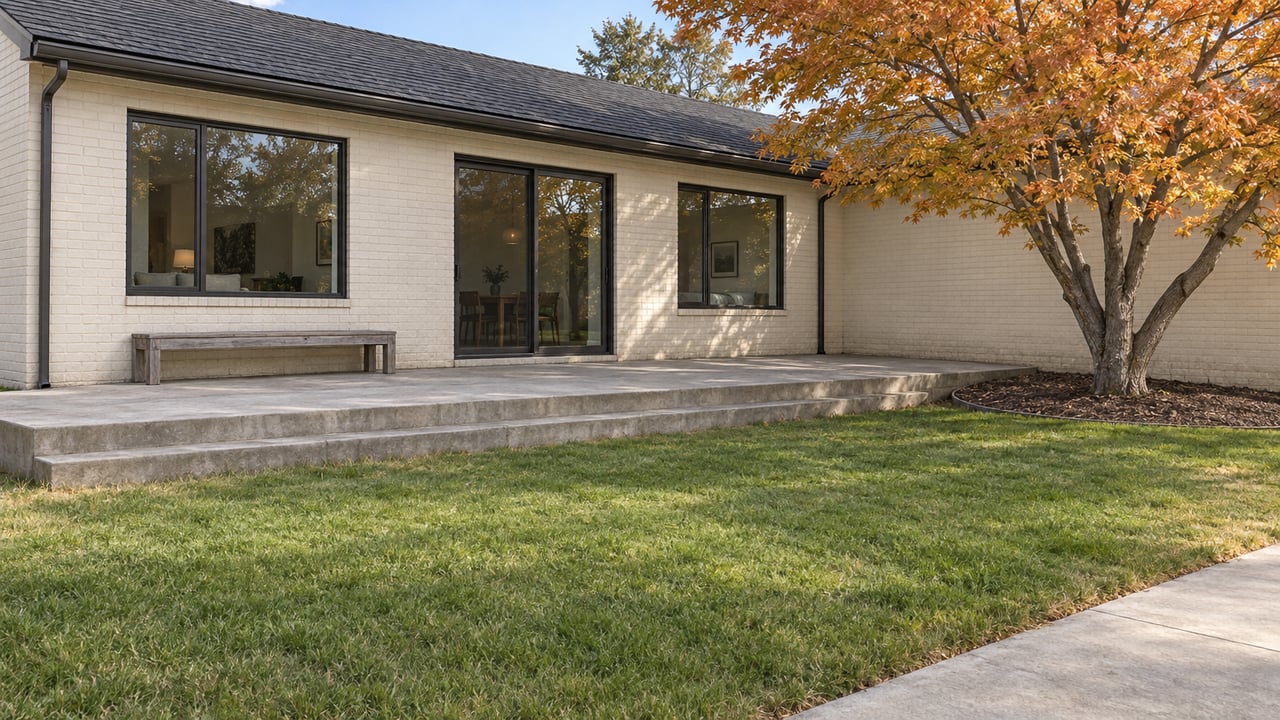
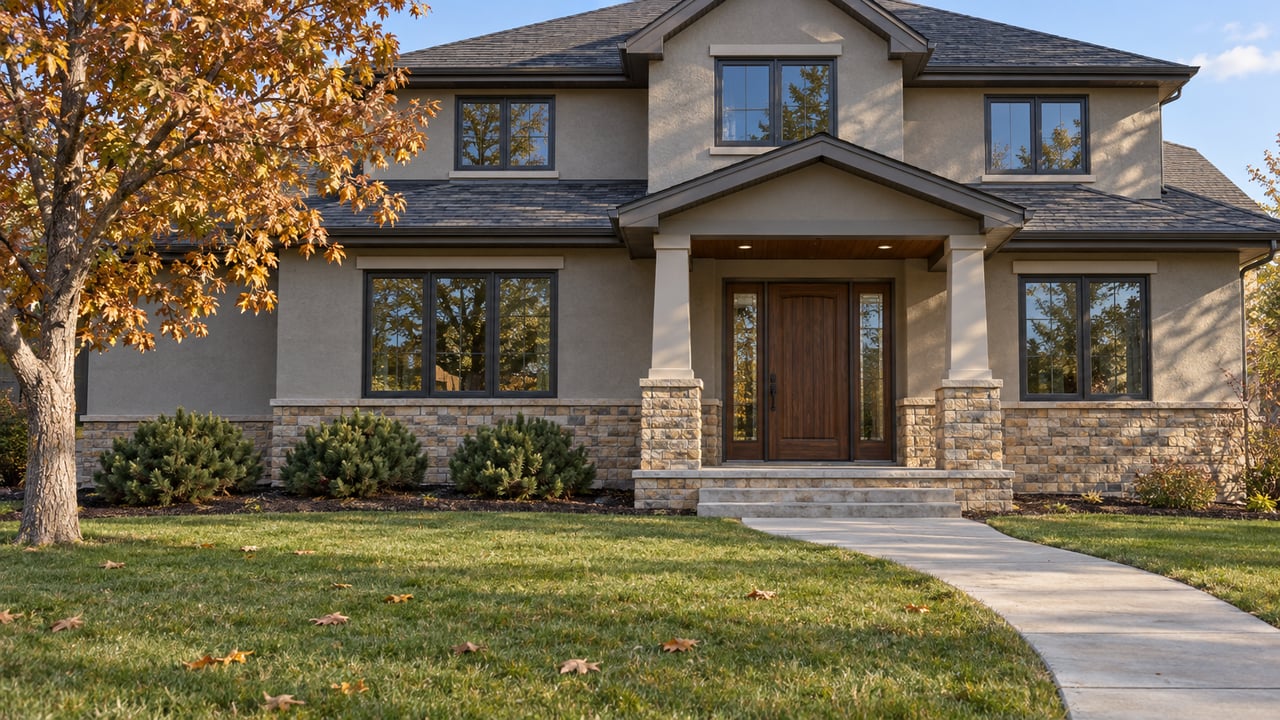
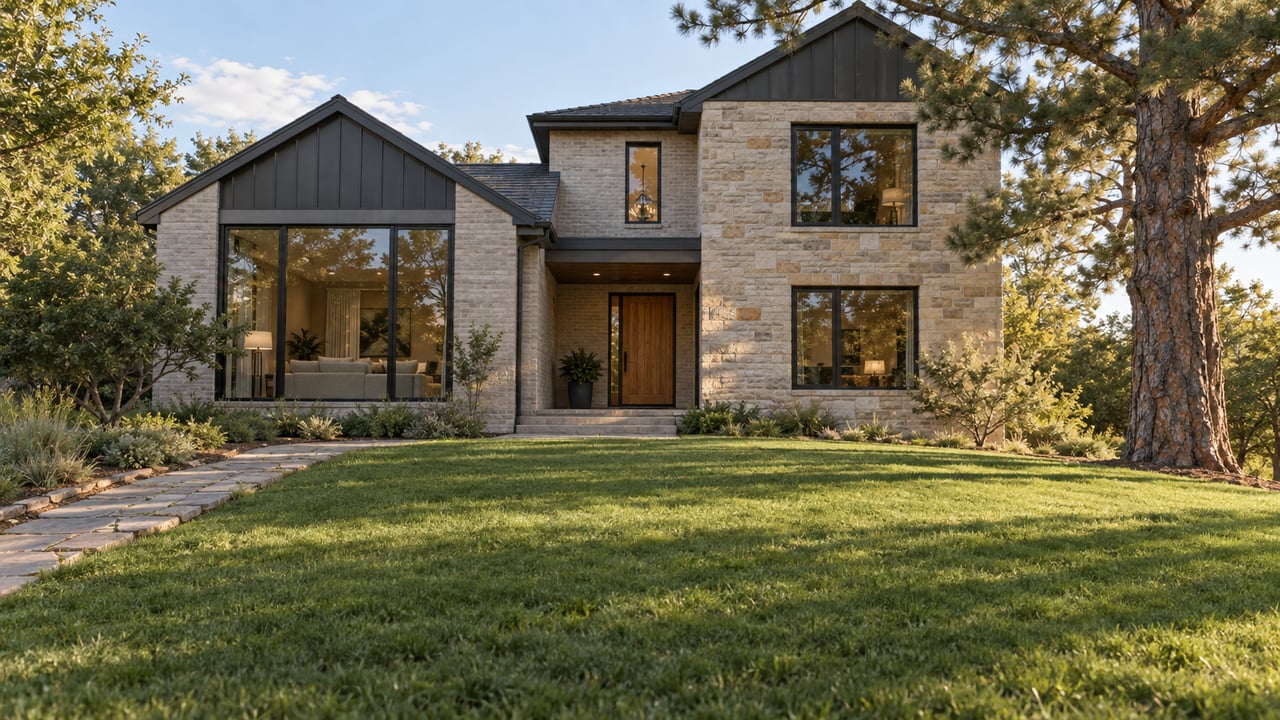
In practical terms, you may find older single-family neighborhoods in one area, more attached or multifamily options near transit or commercial corridors in another, and a different feel again near Belmar or the foothills edge. That makes home shopping in Lakewood less about one citywide label and more about matching your priorities to the right pocket.
What buyers should consider in Lakewood
If you are thinking about buying in Lakewood, it helps to narrow your search by lifestyle first. Ask yourself whether you want to be close to Belmar’s shops and events, near a rail station for mobility, along a major corridor for convenience, or farther west for quicker foothills access. In Lakewood, those choices can shape your day-to-day experience in a real way.
It can also help to think beyond the home itself. A property that works well on paper may feel very different depending on trail access, retail convenience, or how often you expect to head into Denver or Golden. Because Lakewood offers several distinct lifestyle zones, clarity on your routine matters.
For first-time buyers and relocators especially, Lakewood often reads as a middle-ground option. It offers more urban convenience than a foothills-only community, while still holding onto strong outdoor access and a broader neighborhood mix.
What sellers should know about Lakewood appeal
If you are selling in Lakewood, your home’s location story matters almost as much as the property details. Buyers may respond to proximity to Belmar, civic amenities, parks, trail systems, rail stations, or western open-space access depending on their goals. Clear positioning can help your listing speak to the right audience.
This is where thoughtful preparation also matters. A polished presentation, strong pricing strategy, and clear neighborhood framing can help buyers understand not just the home, but the lifestyle around it. In a city with varied housing types and multiple activity centers, that context can make a big difference.
Whether you are buying your first place, relocating across the metro, or preparing to sell, Lakewood rewards a local, strategic approach. If you want help sorting through Lakewood’s different pockets and finding the right fit for your next move, Nicole Savoie is here to help.
FAQs
What is Belmar in Lakewood, Colorado?
- Belmar is a 22-block, open-air district at Alameda Avenue and Wadsworth Boulevard that the city describes as Lakewood’s downtown, with shopping, dining, entertainment, office, and residential uses.
What is Lakewood, Colorado known for?
- Lakewood is known for blending everyday convenience with outdoor access, including Belmar, multiple retail and civic centers, 115 parks, 240 miles of trails, and major open-space areas like Bear Creek Lake Park and Green Mountain.
What parks and trails are in Lakewood, Colorado?
- Lakewood includes major outdoor amenities such as Bear Creek Lake Park, William F. Hayden Park on Green Mountain, and Bear Creek Greenbelt Park, along with a citywide system of 115 parks and 240 miles of trails.
Is Lakewood, Colorado good for commuting?
- Lakewood offers regional mobility through RTD’s W Line, which runs between Union Station and Jefferson County Government Center-Golden and includes Lakewood stations such as Lakewood-Wadsworth and Federal Center.
What types of homes are in Lakewood, Colorado?
- Lakewood has a mixed housing landscape supported by zoning for large-lot, small-lot, two-family, multifamily, mobile-home, and mixed-use districts, with future land-use guidance that also includes townhomes, rowhomes, duplexes, and ADUs.
How do I choose the right part of Lakewood, Colorado?
- Start by focusing on your lifestyle priorities, such as access to Belmar, transit, major shopping corridors, or the foothills edge, because the feel of Lakewood can change significantly from one area to another.